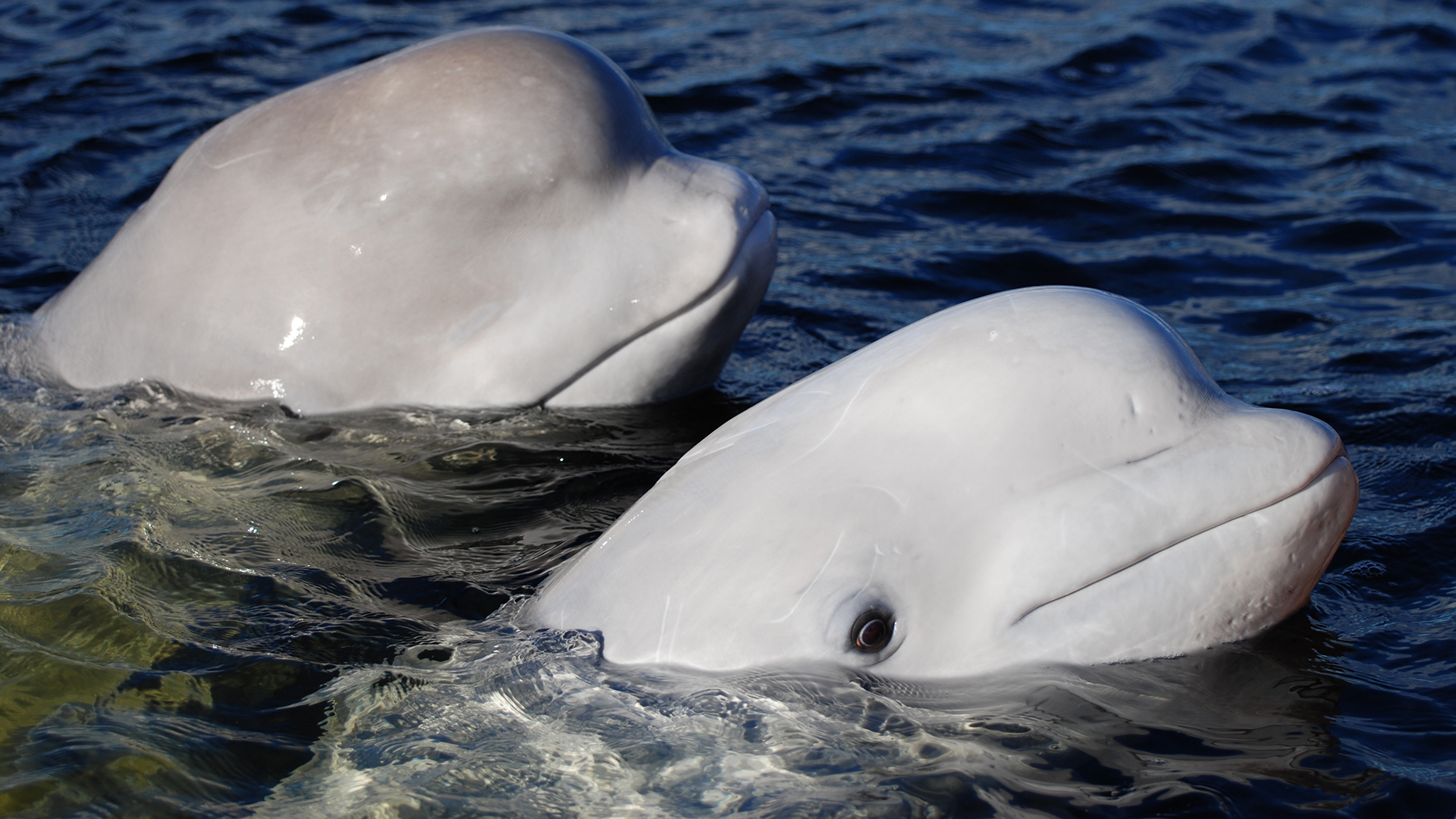
Beluga research in the Inuvialuit Settlement Region (ISR) continues to evolve through collaboration between scientists, Indigenous knowledge holders, and co-management partners. The Beluga Summit II, scheduled for February 2021 in Inuvik, will build on previous efforts to integrate Traditional Ecological Knowledge (TEK) with scientific research on beluga populations, health, and habitat use.
As part of this ongoing work, the Beluga-Qilalugaq TEK program has been launched to document and incorporate Inuvialuit knowledge into conservation efforts. This initiative, led by the Joint Secretariat and Fisheries and Oceans Canada (DFO), includes projects such as the Inuvialuit Knowledge Initiative, aimed at preserving beluga-related knowledge, and the Beluga Maktaliuqtuat Outreach Project, which will engage youth in learning traditional beluga harvesting practices.
Additionally, scientific research efforts are progressing, with studies on beluga movement, habitat changes, and health assessments across the Eastern Beaufort Sea. The 2019 Beluga Aerial Survey provided updated population estimates, while ongoing studies examine how environmental shifts impact beluga migration and behavior.
This issue of the Beluga Bulletin provides key updates on these research efforts, highlighting the importance of knowledge co-production in ensuring the sustainable management of beluga populations in the Arctic.